Stress urinary incontinence after the menopause: causes and solutions
In brief
Urine leaks on exertion after the menopause (stress urinary incontinence) happen when you cough, laugh, exercise or lift something; they become more common with age. Pelvic floor muscle training is the first treatment: according to a 2018 Cochrane review, 74% of women who do it report being cured or improved, compared with 11% without treatment. If it does not work, a mid-urethral sling may be offered, after tests and full information about its risks.
What is stress urinary incontinence?
Stress urinary incontinence (SUI) is an involuntary leak of urine during an effort that raises the pressure in your abdomen: coughing, sneezing, laughing, running, jumping, lifting, climbing stairs. It is caused by the urethra (the tube that carries urine out) not closing properly and by weak support from the pelvic floor.
It is different from urge incontinence, which is linked to an overactive bladder: a sudden, pressing need to pass urine, with leaking before you reach the toilet. The two often occur together after the menopause (mixed incontinence), and they are treated differently. These leaks are not an inevitable part of ageing: they can be treated.
Why do urine leaks get worse after the menopause?
Several factors add up over the years:
- Childbirth, especially vaginal births with a large baby or a forceps or ventouse delivery: these can stretch the muscles and ligaments of the pelvic floor (see urine leaks after childbirth).
- Lack of oestrogen: the lining of the urethra and vagina becomes thinner, and the supporting tissues lose tone.
- Ageing of the pelvic floor muscles.
- Long-term raised pressure in the abdomen: excess weight, constipation with straining, chronic cough (smoking, chronic bronchitis), frequent heavy lifting, high-impact sports.
- Previous pelvic surgery.
Pelvic organ prolapse may also be present and should be looked for, as it changes the choice of treatment.
What tests are needed before treating stress incontinence?
- Medical history: when leaks happen, how often, how much they bother you, urgency, number of pads, births, operations, medicines.
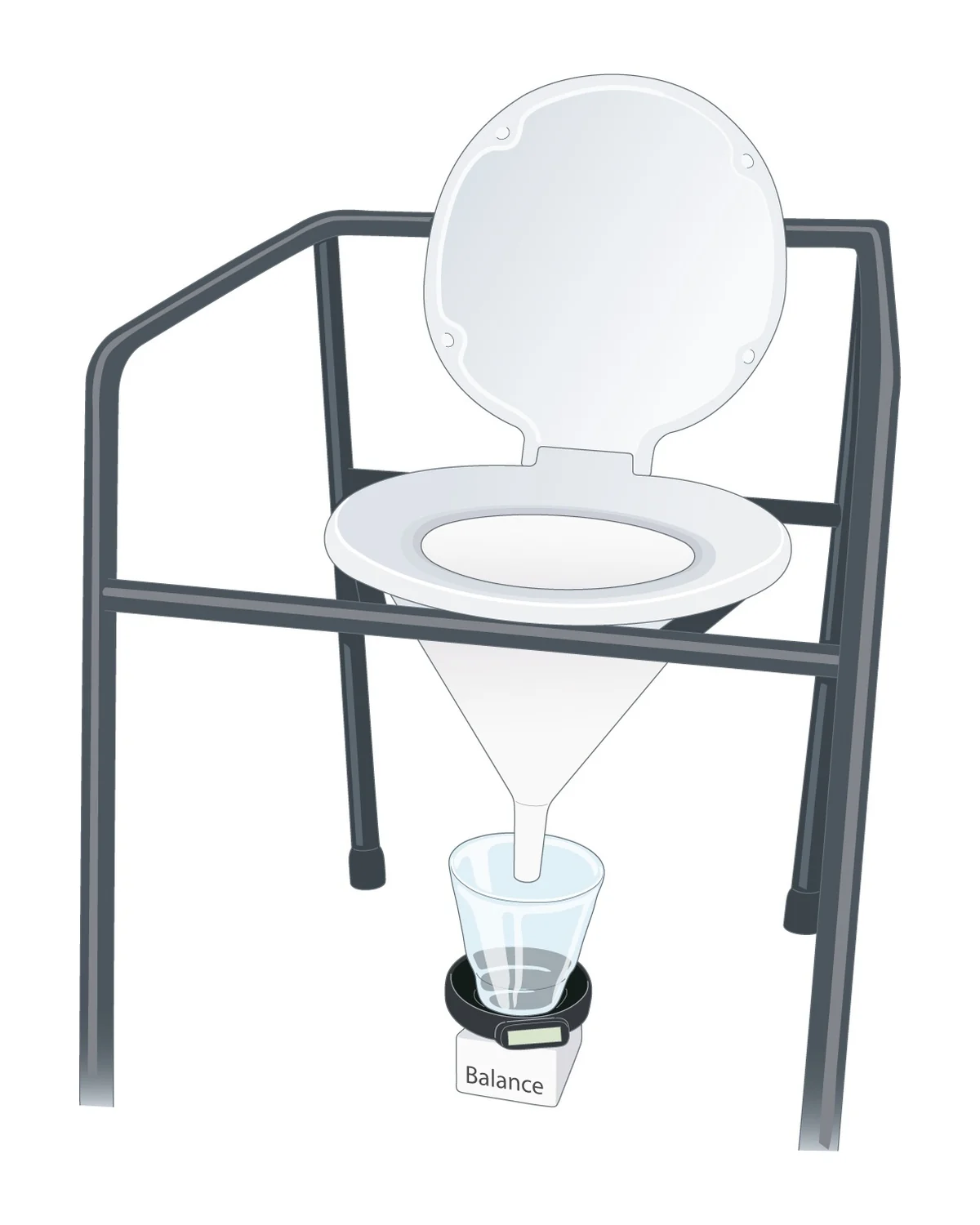
- Bladder diary over three days: times and volumes of urine passed, leaks and what caused them, drinks.
- Gynaecological and pelvic floor examination: cough test with a full bladder, assessment of muscle strength, check for prolapse and vaginal dryness.
- Urine test (dipstick, possibly a urine culture) to rule out infection or blood in the urine.
- Measurement of urine left in the bladder after passing urine, by ultrasound, if needed.
- Urodynamic tests: useful before surgery, in mixed incontinence, after a previous treatment has failed or if you have trouble emptying your bladder.
- Cystoscopy only in specific situations (blood in the urine, previous surgery, suspected bladder injury).
How can stress incontinence be treated without surgery?
Pelvic floor muscle training, always first
Pelvic floor muscle training, supervised by a trained physiotherapist or midwife, is the first-line treatment. According to the 2018 Cochrane review, women with SUI who do this training report a cure more often than those with no treatment (56% versus 6% at the end of treatment), and 74% say they are cured or improved (versus 11%). Results depend on doing the exercises regularly at home and keeping them up over time.
Lifestyle measures
- Losing weight if you are overweight.
- Treating constipation and chronic cough; stopping smoking.
- Learning to tighten your pelvic floor before an effort (coughing, lifting).
- Drinking normally, neither cutting down nor forcing fluids.
Vaginal oestrogen
After the menopause, oestrogen applied in the vagina may improve symptoms, according to the French Association of Urology guidance (2025). It also treats the vaginal dryness that often goes with it.
Medicines for an overactive bladder
These work on urgency and urge incontinence, not on pure stress leaks. Prescribing them takes side effects into account (dry mouth, constipation and, for some of them, effects on memory in older people).
Vaginal devices
A pessary or a specific vaginal insert can support the urethra, for example during sport.
When is surgery for stress incontinence needed, and how is it done?
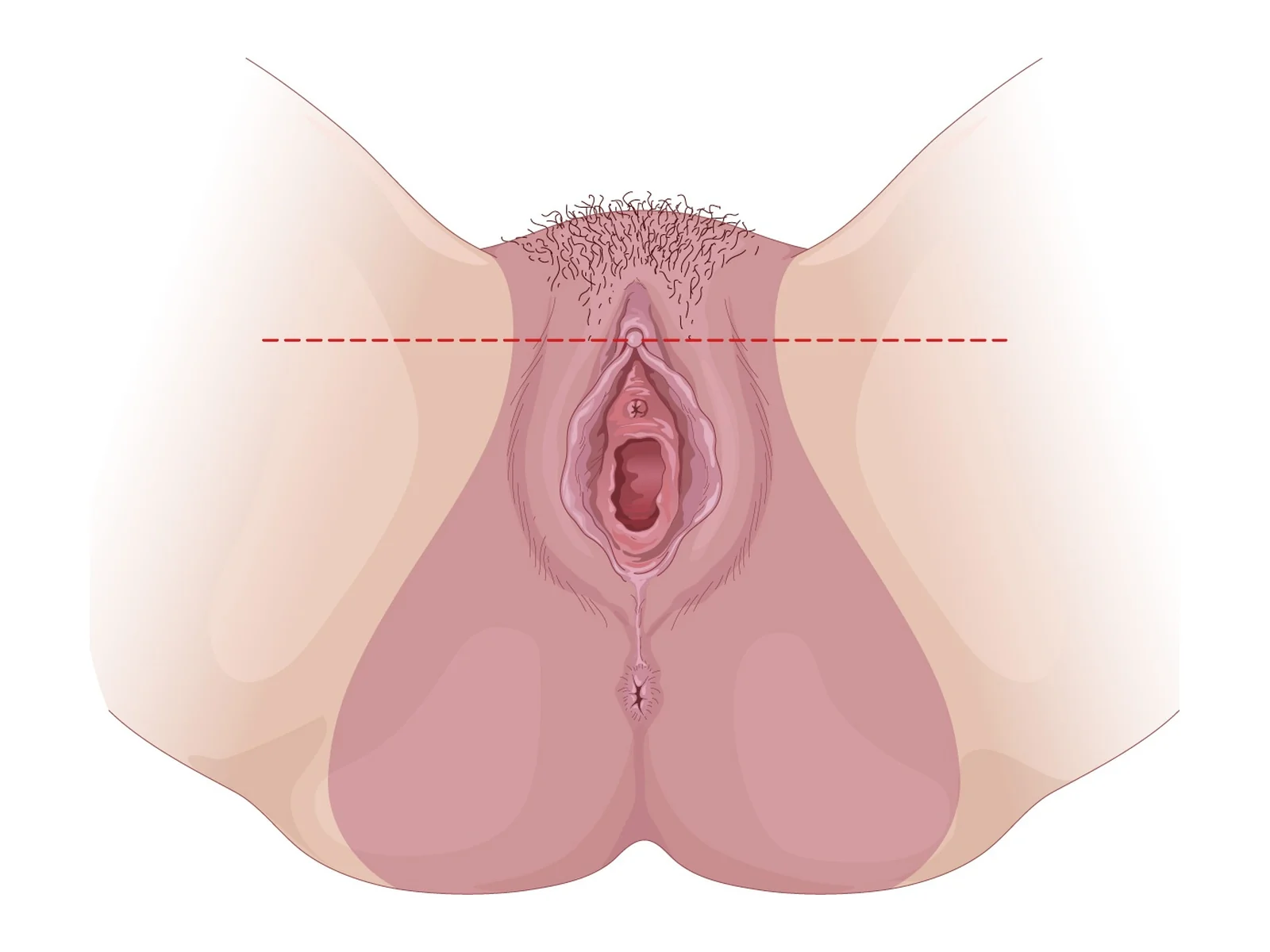
Surgery is considered when leaks remain troublesome despite well-conducted pelvic floor training. The most widely studied operation is the mid-urethral sling: a thin synthetic tape is placed under the urethra through a small vaginal incision, to support it during effort. It passes either behind the pubic bone (retropubic route, TVT type) or through the groin creases (transobturator route, TOT type). Details are in our article on surgery for stress urinary incontinence.
| Criterion | Retropubic route (TVT) | Transobturator route (TOT) |
|---|---|---|
| Self-reported cure at 1 year | 71 to 97% depending on the trial | 62 to 98% depending on the trial |
| Self-reported cure after 5 years | 51 to 88% | 43 to 92% |
| Bladder perforation | 4.5% | 0.6% |
| Groin pain | 1.3% | 6.4% |
| Tape exposure in the vagina | about 2% | about 2% |
Source: 2017 Cochrane review (81 trials, more than 12,000 women). Other complications can occur: difficulty emptying the bladder, new urgency, chronic pain, which is rare but sometimes hard to treat. In France, sling procedures are regulated by a ministerial order of 23 October 2020: the decision is made in a multidisciplinary team meeting, with a written information leaflet and a cooling-off period. As a guide: day surgery or one night in hospital; 1 to 2 weeks off work; no sport or heavy lifting for 6 weeks, sex and baths after about 4 weeks.
Other options exist depending on the situation: bulking injections around the urethra, periurethral balloons, or an artificial sphincter after repeated failures.
How can I cope with urine leaks day to day?
While waiting for treatment to work, a few measures can reduce the inconvenience:
- use pads designed for urine rather than sanitary towels, which absorb less and irritate more;
- protect the skin of the vulva with gentle washing and, if needed, a barrier cream;
- pass urine before physical activity, but avoid going repeatedly “just in case”, which reduces bladder capacity;
- choose low-impact activities (swimming, cycling, walking) during pelvic floor training, then gradually return to high-impact sports.
Follow-up assesses improvement using the bladder diary and how much the leaks bother you, then adjusts the approach if leaks persist after several months of training.
When should I see a doctor quickly about urine leaks?
Make an appointment promptly if leaks come with:
- blood in the urine;
- burning when passing urine, cloudy or foul-smelling urine;
- a feeling of a lump in the vagina;
- difficulty passing urine, a weak stream, a feeling that the bladder never empties;
- sudden onset of leaks with weakness or numbness in the legs or altered sensation around the genitals and anus.
Call 15 or 112 in France, or your local emergency number, if you cannot pass urine at all and have lower abdominal pain, if you have a high temperature with back pain, or if you suddenly lose feeling or strength in your legs.
Frequently asked questions
Is pelvic floor training still worthwhile after 60?
Yes. The pelvic floor muscles can be strengthened at any age. Results depend mainly on doing the exercises regularly and continuing them at home after the sessions.
Should I drink less to reduce leaks?
No. Cutting down on fluids concentrates the urine, irritates the bladder and makes infections and constipation more likely. It is better to spread your drinks through the day and drink less in the evening if you get up at night.
Are mid-urethral slings banned?
No. Mesh has been withdrawn in some countries for prolapse, but slings remain a recognised treatment for stress incontinence. In France, they have been regulated since 2020: information leaflet, cooling-off period and multidisciplinary decision.
Why do I leak urine when I cough?
Coughing suddenly raises the pressure in your abdomen. If the urethra is poorly supported by the pelvic floor, it does not close firmly enough and urine escapes: this is stress urinary incontinence. The first treatment is pelvic floor muscle training.
What is recovery like after a mid-urethral sling?
As a guide: day surgery or one night in hospital, 1 to 2 weeks off work, no sport or heavy lifting for 6 weeks, sex and baths after about 4 weeks. Instructions are tailored at the consultation; the fees are set out in a quote given to you beforehand.
References
- Dumoulin C, et al. Pelvic floor muscle training versus no treatment, or inactive control treatments, for urinary incontinence in women.. Cochrane Database Syst Rev, 2018. doi:10.1002/14651858.CD005654.pub4 — PMID 30288727
- Ford AA, et al. Mid-urethral sling operations for stress urinary incontinence in women.. Cochrane Database Syst Rev, 2017. doi:10.1002/14651858.CD006375.pub4 — PMID 28756647
- Peyronnet B, et al. Practice bulletin on the management of female stress urinary incontinence in France from the Committee of female urology (CUROPF) of the French Association of Urology (AFU).. Fr J Urol, 2025. doi:10.1016/j.fjurol.2025.102955 — PMID 41271375

Dr Olivier KadochObstetrician-gynaecologist and gynaecological surgeon in Paris (16th and 5th arrondissements). Former chef de clinique-assistant (senior registrar) at the Paris public hospitals (AP-HP); individually accredited by the French National Authority for Health (HAS). RPPS 10003957809. Background and practice locations
A question about your situation?Appointments at the practice or by video consultation, usually within one week to 10 days.
Book an appointmentGeneral information article: it does not replace a medical consultation. In an emergency, call 15 or 112 in France, or your local emergency number.